
A tragic fire at Utumishi Girls Academy near Nakuru saw 16 students lose their lives. So what’s going on in Kenya’s schools?
One of many
Our preference has long been to provide scholarships to boarding secondary schools rather than provide day school places. This is simply because it provides the children with a better education. The children benefit from better facilities than at home, spend more time studying, and get regular meals (reducing the burden on their family).
However there have been regular reports of fires at boarding schools in particular. The Kenya Red Cross reported responding to 37 school fires since the beginning of the year, indicating just how widespread the problem has become.
An assessment by the Ministry of Education in 2024 led to the closure of 348 schools for failing to meet fire‑safety standards.
Utumishi was not an isolated event but part of a systemic problem affecting the school system.
Why?
These fires happen for several reasons. One is arson by other students. This is believed to be the case at Utumishi. Eight students were arrested after being linked to planning and carrying out the offence.
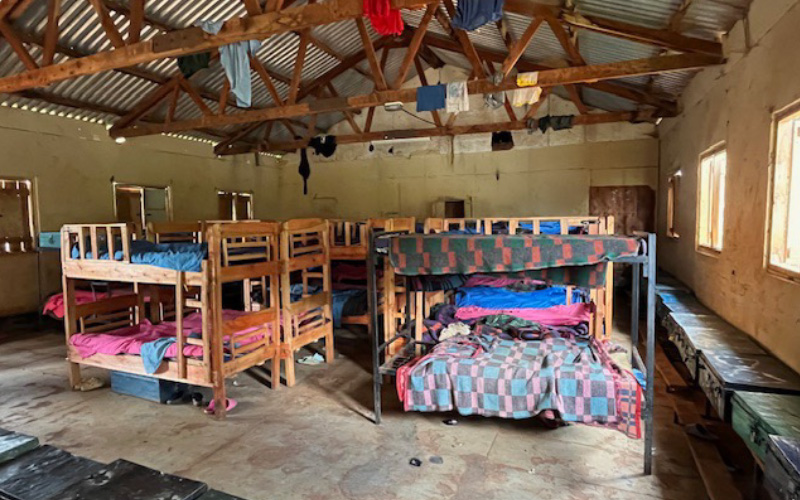
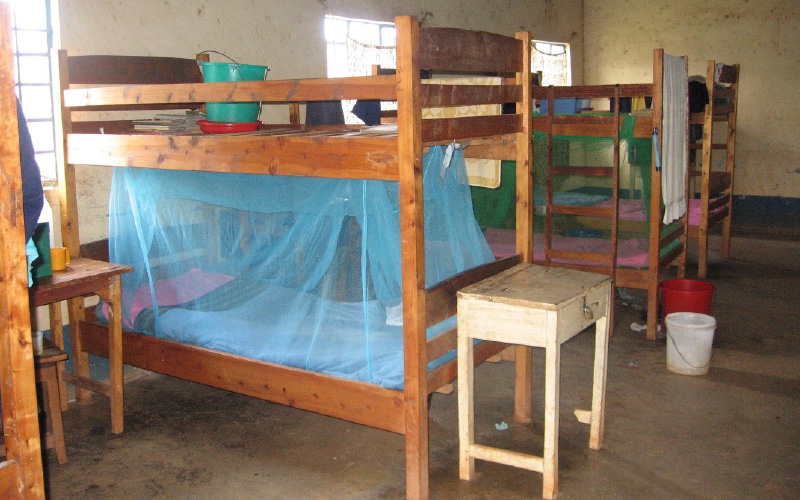
On occasions, students have resorted to setting fire to their dormitories as a form of protest — often against strict discipline, exam pressure, or poor living conditions. At Utumishi, the dormitory concerned had 135 bunk beds in a single space? Or in several rooms?
In other cases, fires have started due to poor maintenance such as faulty electrical wiring in ageing buildings. Anyone who has visited an institutional building in Kenya will be familiar with exposed wiring, poor quality finishing, daisy-chained linking to an external power source etc.
Whatever the cause, a fire can quickly escalate if the school has poor fire‑safety procedures and practice:
- Overcrowded dormitories with far more beds than recommended
- Barred windows that prevent escape
- Single exits or locked emergency doors
- Inward‑opening doors that jam during evacuations
- Lack of evacuation planning or drills.
At Utumishi, teachers had allegedly been warned of possible plans to start a fire but failed to act. The school’s board was subsequently disbanded.
These are all part of an under-funded school system lacking resources and leadership.
Will things change?
The government has taken several steps in the wake of the Utumishi tragedy:
- The arrest of students suspected of involvement
- The suspension of the school principal for safety violations
- Disbanding of the school’s board of management
- The closure of schools following safety audits
- The deployment of psychological support teams for survivors and families.
Beyond this, the entire school system needs accountability, funding and long‑term reform.
Ultimately the Red Rubber Ball Foundation does not have control over which school our sponsored children attend. However we do make sure that the children know they can get in touch with the local RRBF contact who helped arrange their scholarship with any concerns they have about their schooling.
We review all the students’ school reports each term. If matters at school are having an impact on school grades or assessments then we will, and do, follow up to understand any problems a child is having. We raise with the school and offer support where we can.
And at our workshop in November, we are employing four Welfare Officers (and asking them to undergo local police ‘Certificate of Good Conduct’ checks), specifically to liaise with the children to ensure they are enjoying the workshop, check if they have any concerns while with us in Nairobi, and if they have any issues at school.
We have in the past reported schools to the Ministry of Education where they illegally charge extras fees, and we would do so if we had concerns about children’s safety at school.
“See it. Say it. Sorted” you might say.